Protecting unhurried play
One of the most reassuring things I keep coming back to is this: children do not need every moment to be optimized. So much growth happens in ordinary play. Imagination, language, confidence, frustration tolerance, and problem-solving all show up there, often quietly.
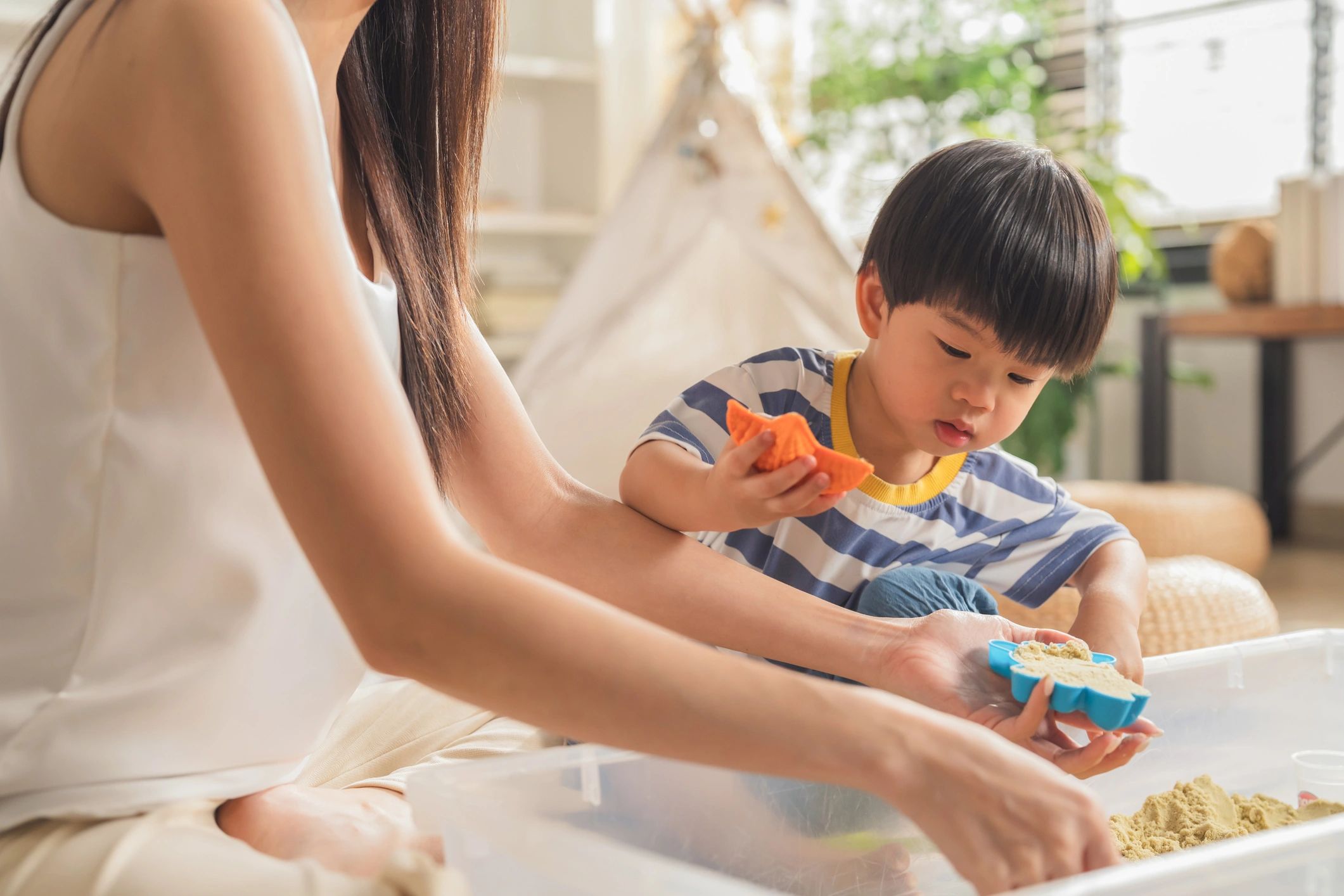
I have noticed that when I leave a little more room in the day for open-ended play, my child seems more grounded. There is less resistance, more curiosity, and a surprising amount of emotional processing happening through pretend games and sensory activities. It is a beautiful reminder that development is not always loud or measurable. Sometimes it looks like blocks on the floor and a child deeply absorbed in their own ideas.
Current favorites
- Product: Open-ended toys like magnetic tiles, wooden blocks, or sensory bins that invite creativity instead of prescribing one outcome.
- Service: A play-based music class, toddler art studio, or neighborhood story time that supports social development without too much pressure.
- Book: How to Talk So Little Kids Will Listen for everyday communication tools that make play and transitions feel more connected.
Play is not extra. It is one of the ways children make sense of the world.
If you have been wondering whether simple play is enough, I hope the answer feels encouraging today. It really can be.
Leave a Reply